-
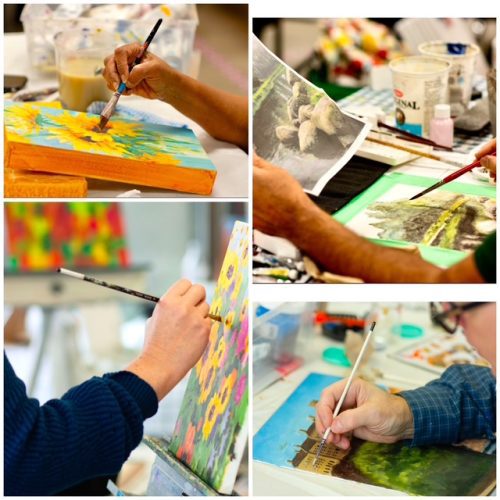
Back AGAIN by popular demand! Dedicated time to just paint with others in Studio One. Get out of the house, and take your Monday evenings to create anything you wish in this completely informal setting for optimal comfort and focus. This studio time, open to members and non-members, is the perfect opportunity to work on pieces from classes you're taking, or whatever you like. These precious hours involve no formal instruction whatsoever, but feel free to offer / receive feedback and encouragement from others, (as you wish).
-
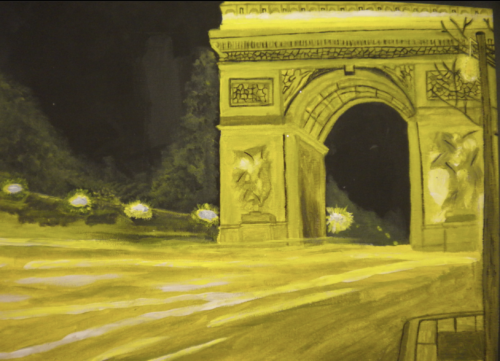
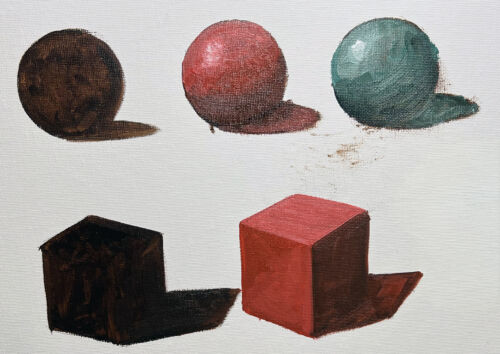
In this 6-week colour focused course, you’ll learn to mix and paint with acrylic paints according to the rainbow. By focusing on one colour each week, we’ll explore its possibilities in depth by creating (almost) monochromatic paintings of a range of different subjects - think Picasso's paintings from his Blue Period or Van Gogh's Self Portrait (1889). We’ll study what colours harmonize well with each other, value and contrast, colour schemes, and more! You’ll leave this course with a thorough understanding of how to use just a singular colour to achieve depth and emotion. Materials List - Fall Crazy for Colour Acrylic Painting Class - Maia Lee-Thomas
-
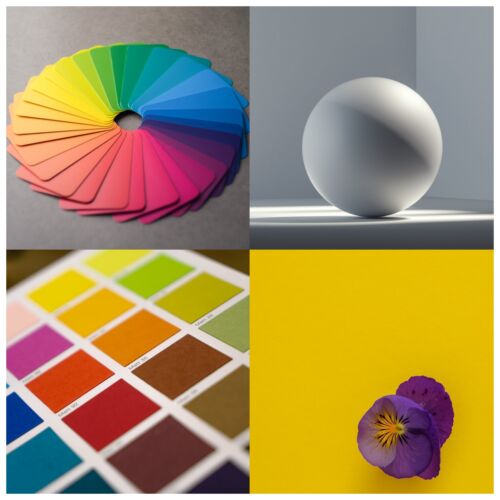
Dive into the wonderful world of COLOUR! In this introductory course, you will learn the how's and why's of colour. Learn how to mix and use warm, cool and neutral tones through experiments on greyscales/grisaille and colour mixing techniques. Each class will include a lesson on a new aspect of colour theory, along with a painting demo and project to put the information into practice. Finish the class feeling more confident in your knowledge of colour and how to apply it into your art! Click HERE for the Intro to Colour Theory Materials List - Megan Hazen
-
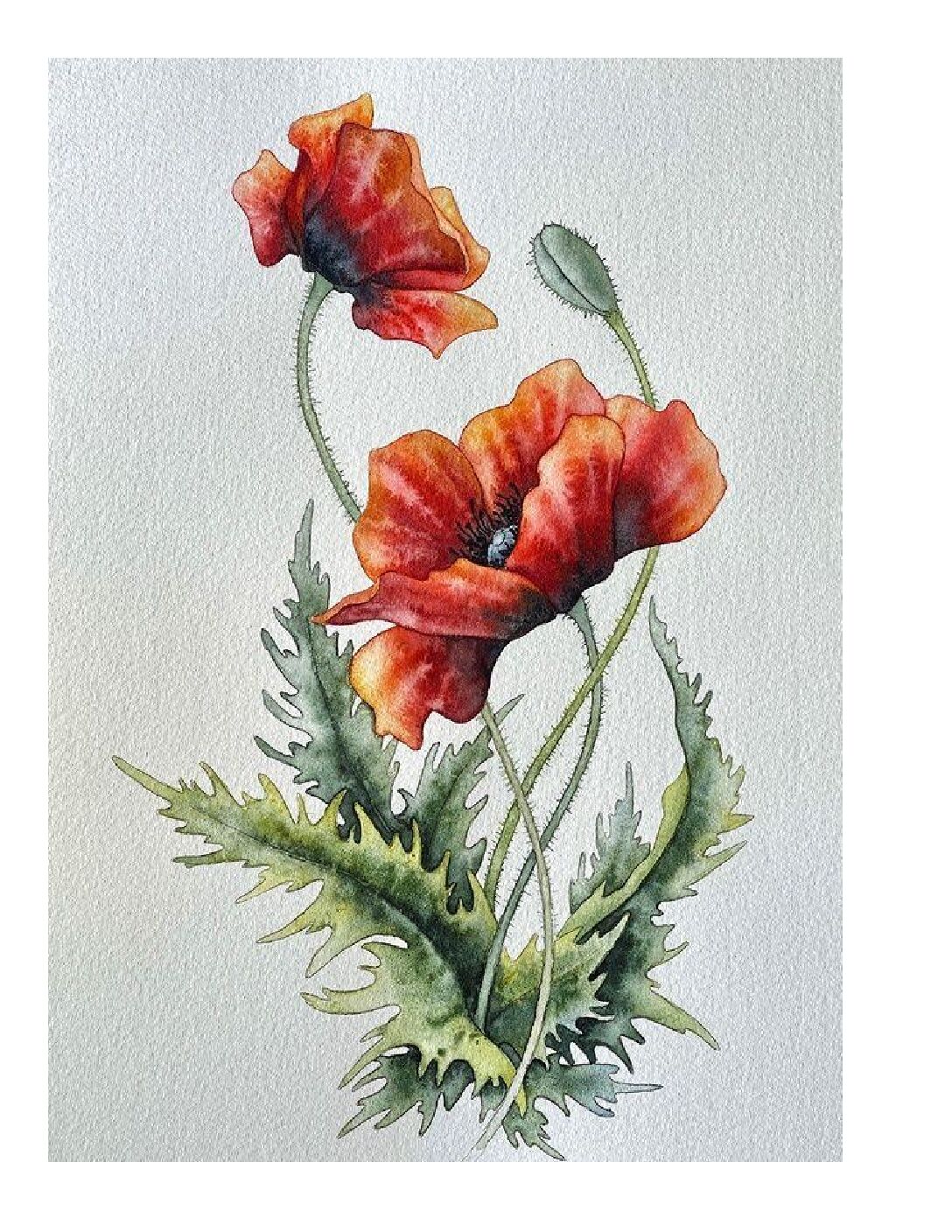
Out of stockFrom paper to picture, this course will teach the beginner the flow of water and paint. We'll discuss paper, paint, brushes and tricks fine artists use to complete several watercolour originals. Learn how much water to use, how to put on a wash, skies, flowers, fruit and scenery. Have fun while learning in a casual and friendly evening class. Click Here for Beginner Paint Materials List
-
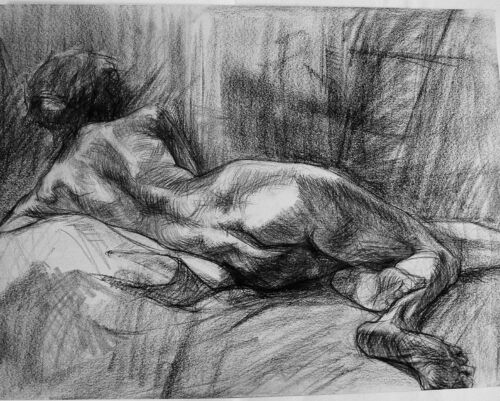
OAS is thrilled to bring life drawing (with live models) to Studio Two on Tuesday evenings this fall. This eight week life drawing class will begin with fundamental drawing techniques applied to the human figure. Techniques taught will include: basic human anatomy, contour drawing, gesture drawing and chiaroscuro. The concluding drawings in the class will involve long poses where all techniques covered are cohesively combined. Click HERE for Life Drawing Supply List (The course price includes fees paid to models each week, as well as a Sheridan College art instructor). Click HERE for Weekly Course Outline for Life Drawing Course
-
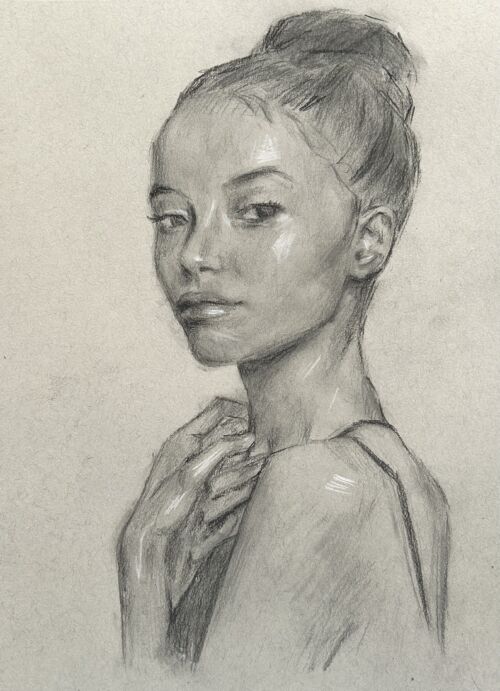
This portrait course introduces students to the essential skills needed to create convincing portraits in both drawing and painting. During the first half of the course, students will develop a strong foundation in drawing by learning proportion, perspective, basic anatomy, and value, with an emphasis on seeing and simplifying forms. In the second half, students will transition into painting, exploring value, colour mixing, and practical painting techniques through guided exercises and a final portrait project. Through demonstrations, hands-on practice, and individual feedback, students will gain a better understanding of structure, light, and colour while building confidence in creating expressive and realistic portraits. Click here for materials List for Portrait Drawing to Painting in Oil with Connie Lee
-
This course focuses on the Alla Prima technique, a direct and expressive approach to oil painting in which the painting is completed in a single session or while the paint is still wet. Students will learn how to work confidently with fresh paint, mix and apply colors effectively, establish accurate values and proportions, and create form through controlled brushwork. Through demonstrations and hands-on practice, students will explore color mixing, edges, brushwork, light and shadow, and the importance of working efficiently while maintaining the freshness and spontaneity of the painting.This course is designed for intermediate to advanced students with a solid foundation in oil painting who wish to refine their technical skills, develop greater confidence, and explore the direct, spontaneous, and expressive qualities of the Alla Prima approach. Click HERE for the materials list
-
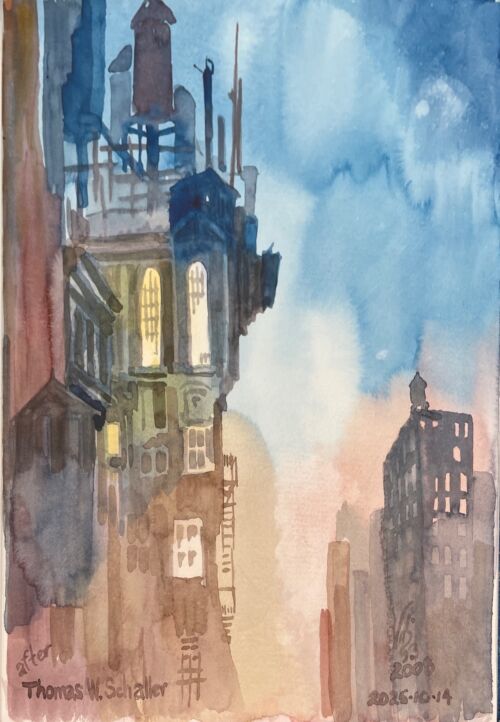
Dive deeper and build on the basics of watercolour such as colour mixing, techniques including graded washes and their combinations, wet in wet principles, assessment and strategy and planning, and knowing your image thoroughly through drawing. Technical exercises will be presented to strengthen those techniques. The depiction of space consistently (by assessing and presenting lighting and elements of perspective) will be addressed. Participants will be mentored toward completing any more challenging images of their choice, beyond their current capabilities. Learn to enJOY seeing everyday images as potential beautiful and inspiring watercolour paintings, and realize your many options for watercolour painting subjects that are both meaningful and challenging. Click HERE for Intermediate Watercolour Materials List David Foster
-
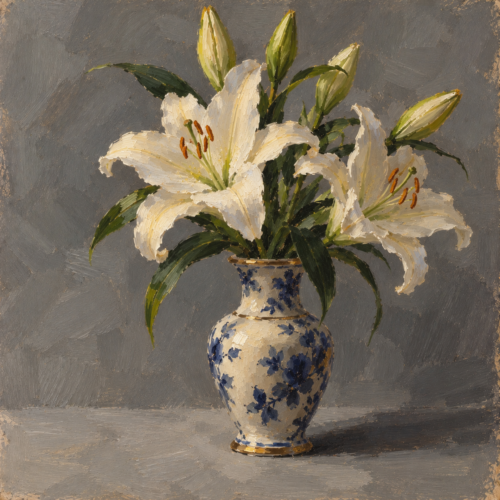
Out of stockLearn how to use watersoluable and traditional oils to create the work you want. This is a hands-on class where we do a number of exercises to help you understand the dynamics of watersoluable and traditional oils. NO SOLVENTS or ODOURLESS MINERAL SPIRITS will be used or permitted. We will start with simple objects - how to draw them in paint - lay on the first dark values and work up to a final rendered object. Once you have acquired the knowledge of how this wonderful paint works, you will be able to apply it to all your future creative work. Click HERE for the supply list
-
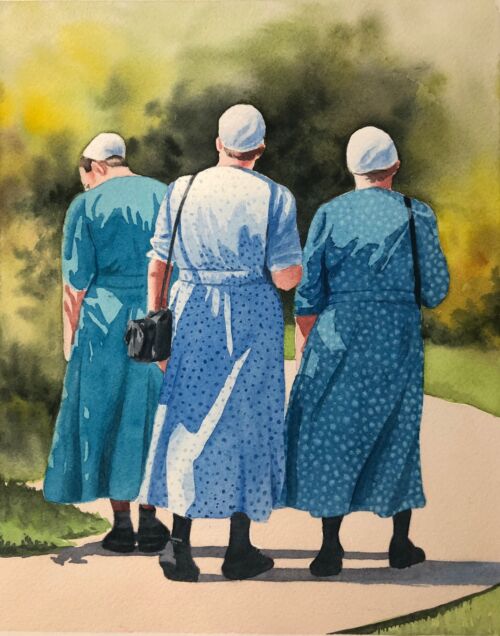
Out of stockGo Figure We’ll be examining how to paint the clothed figure in watercolour, including folds, pattern and lighting. Candid poses will give painters the confidence to add people to their landscapes. Shelley-Prior-Watercolour-General-Supplies
-
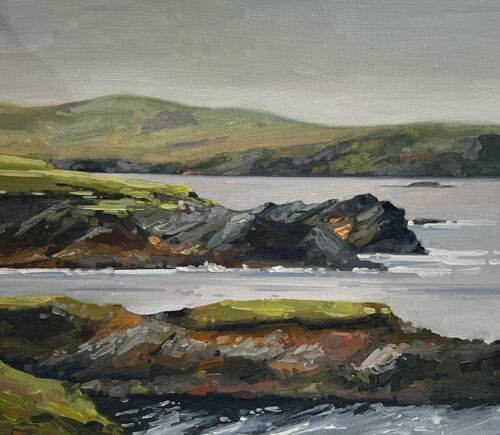
Out of stockThe light and atmosphere are incredible. We will paint in water soluble oil and acrylics. We will explore the greens and blues, low light and sunshine of this beautiful Island. We will paint the rolling hills, stone walls, the old buildings and ruins dotted around the countryside, and some of the many sheep and one shepherd I have encountered. We will paint a number of paintings in this class, sometimes spending two classes on a painting. I will supply the reference images for each class and you will have the opportunity to add your own touch to the final painting. There will be a few architectural elements explored as well. This is a painting in class course. Click HERE for the Painting Ireland Supply List
-
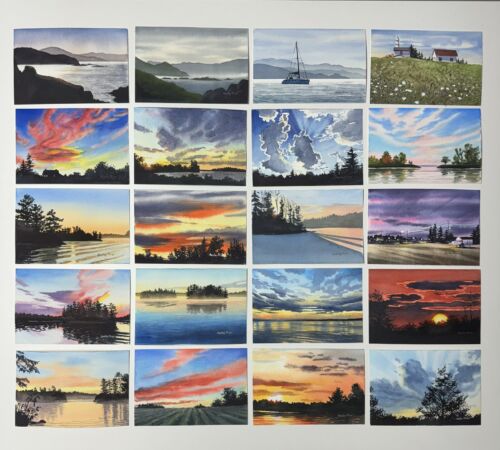
Out of stockSky Diving Let’s take a deep dive into painting amazing skies in watercolour. Sunsets, clouds, storms and blue skies are among the most important elements in your landscapes. We’ll learn how to paint wet on wet and not make mud. Shelley-Prior-Watercolour-General-Supplies